


Auto Transmission System
The KG28014.1.1 clutch is a component of car clutch systems, specifically semi- and fully-hydraulic clutch systems. It transmits the pressure from the clutch pedal to the clutch itself, allowing the driver to engage the clutch and change gears.
Benefits of KG28014.1.1 Clutch
BETTER POWER CONTROL
A KG28014.1.1 clutch offers better power control, especially when towing heavy loads. It ensures smoother power transmission, reducing the risk of clutch slippage and enhancing overall vehicle performance. This can significantly affect your truck's handling, making it easier and safer to drive.
LONGER LIFESPAN
KG28014.1.1 clutches are designed to handle more wear and tear than their standard counterparts. This means less frequent replacements, saving you time and money in the long run. Additionally, a KG28014.1.1 clutch can handle heavy-duty use's increased stress and heat, further extending its lifespan.
IMPROVED DRIVING COMFORT
A KG28014.1.1 clutch can significantly improve driving comfort. It offers smoother gear shifts, reducing driver fatigue, especially during long hauls. This can lead to safer driving conditions and improved driver productivity.


Why Choose us
Excellent team
Our factory has professional technicians team and excellent sales team, which can help us to provide our clients good quality and perfect service.
Quality Assurance
ISO 9000 certificate of conformity of quality management system certification; certificate of utility model patent; SGS gold plus supplier assessment certificate.
Reputation
A company with a positive reputation is more likely to attract customers. Reputation is built through consistent quality service or products, good customer relations, and reliability.
When To Change The KG28014.1.1 Clutch
The KG28014.1.1 clutch or clutch pump is a component that allows us to manipulate the clutch pedal correctly, always with less effort than we would need if this part were not present in our vehicle.
Like other components of the clutch system, the KG28014.1.1 clutch can exhibit very characteristic faults. It is therefore very important to be aware of all of them.
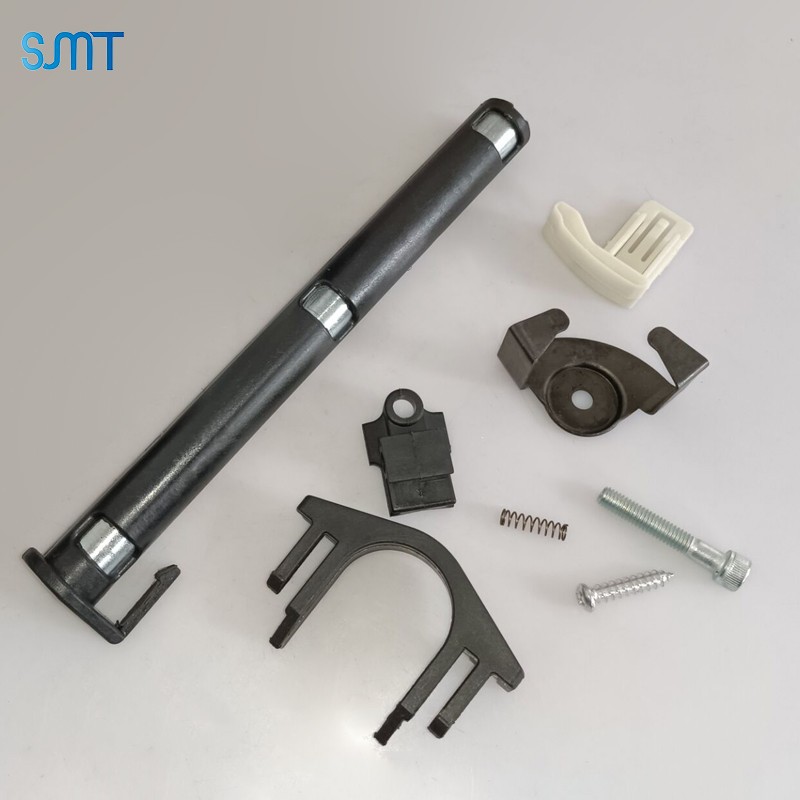
Depending on the vehicle model, repairing the KG28014.1.1 clutch is usually quite simple, as well as inexpensive. On some car models all that is required is to purchase a new KG28014.1.1 clutch kit, unscrew the clutch line, then remove the component retaining bracket, replace the internal components and reassemble the clutch pump.
When the pedal is stuck
This first symptom occurs when the clutch pedal of our vehicle is depressed, the clutch pedal goes down, but does not return to its initial position. If this happens, we cannot change gears, so we will have to stop our car until we replace the KG28014.1.1 clutch with a new one.
Hardly any brake fluid
In the reservoir where the brake fluid is located, we can see some marks on the side that indicate the amount we have in the reservoir. If the brake fluid is below the mark, it is important to top it up. Depending on the vehicle model, one type of fluid or another will be necessary.
But why does the brake fluid diminish? Over time, the KG28014.1.1 clutch or clutch pump loses brake fluid due to a possible leak in the master or slave cylinder of the clutch system.
Gear shifting is too jerky
When the KG28014.1.1 clutch is damaged, but we can continue to drive, this may be due to the fact that gear change is too abrupt during driving. As a result, the clutch may start to slip. It is important to press the clutch pedal firmly and consciously, but not violently.
When the pedal is soft or spongy
If at any point in your driving you notice that the clutch pedal is lighter and easier to depress than before, this is another symptom that indicates that the clutch pedal should be replaced. This is because the KG28014.1.1 clutch has air in it, so the pedal starts to feel softer.
Brake fluid is dark
The last indicator that may alert us to check our vehicle's clutch pump is if the brake fluid we have replenished suddenly becomes very dark.
This may be because one of the internal seals in the KG28014.1.1 clutch is failing. Rubber debris from these internal seals can break down with use and contaminate the fluid, thus discolouring the contents of our car’s reservoir.
However, if the brake fluid has not been changed recently, it is necessary to consult the owner’s manual of your car to find out the recommended maintenance interval.
How Does the KG28014.1.1 Clutch Work?
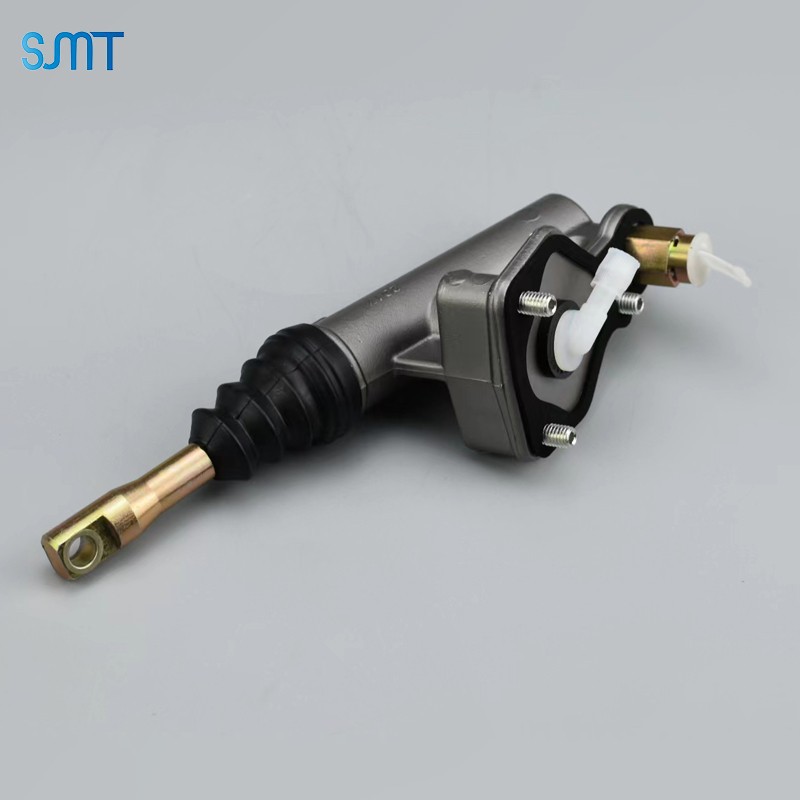
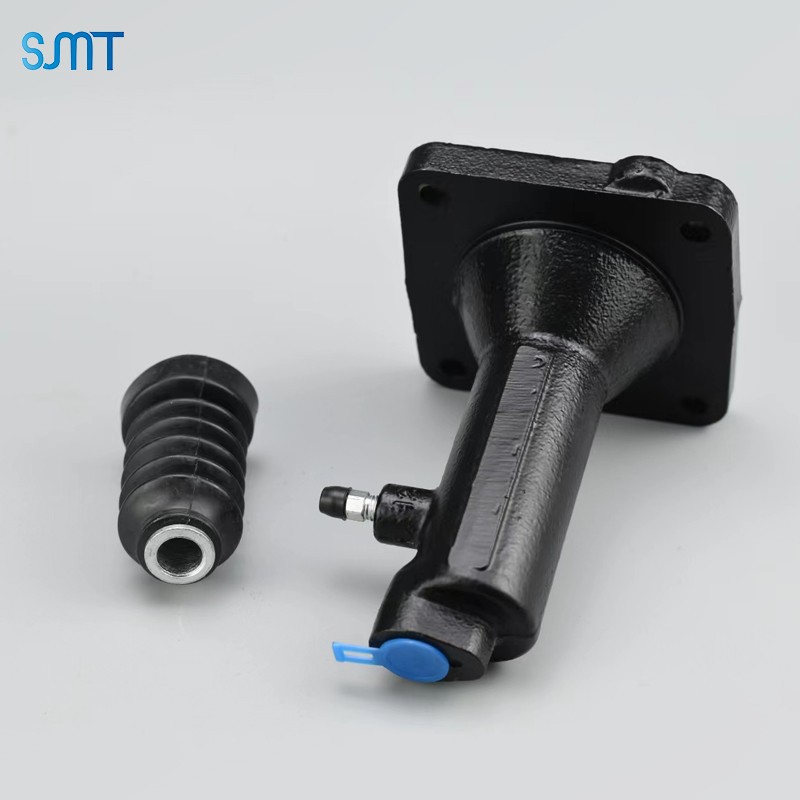

If your car's clutch is not releasing correctly, the KG28014.1.1 clutch needs to have the air bled out of it. To start, find the clutch slave cylinder. The KG28014.1.1 clutch slave cylinder is usually below and to the right-hand side of the master cylinder. On the bleeder valve, which you will need to use to bleed the system, there should be a small bolt. The purpose of this bolt is to discharge air pressure buildup.
To bleed the system you will need someone to assist you. The good news is this project is relatively short so it shouldn't be a huge time commitment for you or your assistant.
Have whoever is helping you step down on the clutch pedal from the inside of the vehicle. They should hold it down all the way to the floor. While they're doing so inside the vehicle, you should use a wrench to loosen the bleeder valve until hydraulic fluid comes out.
Make sure you have some type of container to catch the fluid. Don't let it drip onto other areas of the car. If you don't see fluid coming out right away, don't be alarmed. A bubble of air will actually come out before any fluid starts to appear.
Once everything has come out, tighten the screws on the bleeder valve. Your helper in the car should slowly release pressure on the clutch pedal. Make sure they do this very slowly until the pedal is at its normal rest position where you would find it when the car is off.
You can now check the master cylinder. Make sure it has enough fluid. If when you check it, it drains and air enters the clutch slave cylinder or clutch hose, you will need to start the process over and bleed the system at least once more, if not a few more times.
While you are bleeding the system, check for leakage from the cylinders or the clutch hose. If you find any leaks, you will need to make some replacements.
Once you've bled the system a few times, you can tighten the bleeder valve. Your friend inside the car can let off the clutch. You can then open up the top of the master cylinder to add hydraulic brake fluid till it is topped up. Make sure you do not overfill the KG28014.1.1 clutch.
Testing
Once you have finished any repairs you have taken on, it's time to test the car to make sure all of your hard work was not in vain. Before doing so, put away all of the tools you used on the project and wipe away any brake fluid on your car. Not doing so right away can damage the surface of your vehicle.
You should now take your car off the jacks.
It's now time to start your vehicle. Turn it on and use the clutch to engage the forward gears. While you do, pay special attention to your pedal. It should feel firm and the gears should change smoothly without any grinding or slipping as you change them. Test the reverse gear as well to make sure everything is engaging correctly.
The KG28014.1.1 clutch function is to transfer the clutch pedal movement to the clutch via hydraulic fluid.
The CMC is connected to a plastic or metal tank filled with hydraulic fluid, and this fluid reservoir tank is sometimes shared with the brake master cylinders.
Hydraulic clutch release systems follow the same principle as hydraulic brakes, with a transmitter connecting to a receiver via a hose.
The semi-hydraulic system includes a clutch release cylinder as the receiver, whereas a fully-hydraulic system uses a clutch slave cylinder.
The CMC acts as a transmitter in the hydraulic system, sending the driver input to the clutch via the clutch release cylinder (in semi-hydraulic systems) or the concentric slave cylinder (fully-hydraulic systems.)
The KG28014.1.1 clutch is composed of:
- A Body (made of aluminium or plastic.)
- A Piston (made of anodized aluminium.)
- A primary seal (to isolate the reservoir from the hydraulic chamber.)
- A secondary seal (to isolate the low-pressure reservoir chamber from its environment.)
- A push rod (to connect the CMC to the pedal.)
- A low-pressure nozzle (connecting the CMC to the reservoir.)
- A high-pressure nozzle (connecting the CMC to the high-pressure pipe and the receiver.)
DIY Test for a Failing KG28014.1.1 Clutch
Step 1: Do a Visual Inspection
Start by inspecting the KG28014.1.1 clutch master cylinder and its surrounding components. Look for leaks, particularly around the seals and fittings. If the area is damp or oily, it might indicate a leak.
Step 2: Check the KG28014.1.1 Clutch Fluid Reservoir
Ensure the fluid in the reservoir is within the recommended range and that the fluid is clean. Contaminated or dark fluid may point to internal wear.
Step 3: Work the Pedal
Press the KG28014.1.1 clutch pedal several times and observe how it feels. It should offer consistent resistance throughout its travel. If the pedal feels spongy or drops to the floor without resistance, it's a strong indicator that the master cylinder is failing.
Step 4: Shift Gears
Finally, attempt to shift gears while the car is stationary. Difficulty engaging gears or grinding sounds when trying to shift warrant a closer look at your KG28014.1.1 clutch master cylinder.
Company Introduction
Zhuji Juntai Auto Spare Parts Co.,Ltd. was established in 2011 and located in Zhuji City, Zhejiang Province, China. Our factory has professional technicians team and excellent sales team, which can help us to provide our clients good quality and perfect service.
Our two main products are: Brake valves such as clutch servos, air dryer, levelling valves and some other valves; Lubrication system parts like grease gun, fittings and valve.

Our Certificates


